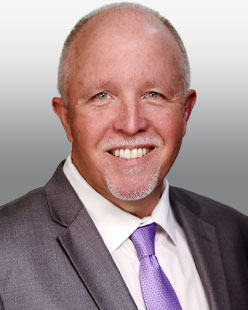
Profile

Hon. Marc D. Gross (Ret.) is a highly effective dispute resolution professional with more than 40 years of legal experience, including over a decade on the bench and a distinguished career as a civil litigator. He is best known for what ultimately matters to clients: he gets difficult cases settled.

During his tenure as a Mandatory Settlement Conference (MSC) Judge in the West District of Los Angeles, Judge Gross handled over 500 settlement conferences, many involving complex, high-stakes disputes where parties were deeply entrenched. His consistent ability to move cases toward resolution, often at critical pre-trial stages, has made him a trusted resource for attorneys seeking a neutral who can break impasse and deliver results.

Judge Gross brings a rare combination of judicial authority, litigation depth, and practical strategy. Before joining the bench, he spent more than 30 years representing clients in a wide range of civil matters, including business disputes, personal injury, real estate, probate, and complex tort litigation. His background includes extensive trial, motion, and appellate work, giving him a comprehensive understanding of how cases are evaluated, argued, and ultimately decided.

This broad perspective allows Judge Gross to provide clear, credible assessments of risk—the kind that both attorneys and clients take seriously. He is known for his ability to quickly identify the core issues in dispute, evaluate exposure, and communicate the realities of trial in a way that drives decision-making.

Settlement-Focused Approach
Judge Gross does not take a one-size-fits-all approach to mediation. His process is deliberate, strategic, and outcome-oriented:

  • Conducts thorough pre-mediation preparation, including detailed review of briefs and independent legal research
  • Identifies leverage points early, helping parties understand both risk and opportunity
  • Uses a range of techniques, including mediator’s proposals, brackets, and strategic reframing to move negotiations forward
  • Applies appropriate pressure when needed, particularly in cases where parties or counsel are operating from unrealistic assumptions
  • Remains actively engaged post-session when necessary to close the gap and finalize resolution

His philosophy is grounded in honesty, preparation, and persistence. He believes parties are best served by a neutral who will not only facilitate discussion, but also challenge positions and drive progress when negotiations stall.

Proven Results in Complex Cases
Judge Gross has built a reputation for resolving cases that are otherwise unlikely to settle. His experience includes:

  • 500+ mediations and settlement conferences handled
  • High success rate in difficult and high-conflict matters
  • Extensive work in cases involving novel legal issues and significant financial exposure
  • Experience resolving disputes at critical litigation milestones, including on the eve of trial

His representative matters span business litigation, fraud, fiduciary duty, professional liability, personal injury, and multi-party disputes. Many of these cases resolved after prolonged litigation, underscoring his ability to step in late and still achieve resolution.

How Attorneys Describe Him
Attorneys who have worked with Judge Gross consistently describe him as:

  • Persistent and results-driven
  • Patient but firm when necessary
  • Even-handed and highly credible
  • A strong communicator who connects with clients

His ability to build rapport with parties—while maintaining authority and neutrality—enables him to gain trust quickly and move negotiations forward efficiently.

Why Parties Select Judge Gross
Clients and counsel turn to Judge Gross when they need a neutral who can:

  • Break impasse in challenging cases
  • Provide a realistic, experience-driven view of trial risk
  • Maintain credibility with both sides of the dispute
  • And most importantly, get the case resolved

He approaches every matter with a clear objective: to achieve a practical, efficient resolution that allows parties to move forward.

JUDICIAL EXPERIENCE

Los Angeles County Superior Court – Judge (2012 – 2026)

  • Presided over a broad range of civil matters, including personal injury, business disputes, and complex litigation
  • Served as MSC Judge for the West District (2020–2026), resolving hundreds of cases at critical pre-trial stages
  • Handled trial court assignments and independent calendar (IC) matters in Santa Monica
  • Previous assignments include Family Law and Personal Injury Hub courts

His time on the bench, particularly as a settlement judge, sharpened his ability to evaluate cases quickly, identify leverage points, and guide parties toward resolution under pressure.

PROFESSIONAL BACKGROUND

Grayson, Gross, Friedman & Phillips / Successor Firms – Litigation Associate/Shareholder (1982-2012)

Rifkind & Sterling – Securities & Corporate Associate (1981–1982)

  • Handled diverse civil litigation including contract, tort, real estate, probate, and business disputes
  • Extensive trial, motion, and appellate experience
  • Significant experience in judgment enforcement and collections

AREAS OF EXPERTISE

  • Business & Contract
  • Complex Litigation
  • Construction
  • Entertainment
  • Fee Disputes
  • HOA Disputes
  • Insurance
  • Landlord/Tenant
  • Neighbor Disputes
  • Partnership & Corporate Dissolution
  • Personal Injury
  • Professional Liability
  • Real Estate
  • Tort Matters

MEDIATION PHILOSOPHY & APPROACH

Judge Gross takes a direct, preparation-driven approach to dispute resolution:

  • Conducts thorough pre-session review of briefs and legal issues
  • Performs independent research where necessary
  • Provides clear, candid assessments of trial risk
  • Engages counsel when positions become unreasonable
  • Uses tailored strategies including mediator’s proposals, brackets, and reframing techniques

His style balances honesty with diplomacy, ensuring parties understand both the risks and the path to resolution.

EDUCATION

University of Southern California, School of Law – J.D.

  • Order of the Coif (Top 10%)
  • USC Law Review
  • Editor, USC Entertainment Law Journal
  • American Jurisprudence Award (Torts)

University of California, Los Angeles (UCLA) – B.A., Political Science, Magna Cum Laude

Representative Cases

Business / Tort and Breach of Contract

  • Corporation sued former employee for breach of contract, intentional interference with contract, intentional interference with prospective economic advantage and unfair competition, alleging former employee used plaintiff’s confidential information and trade secrets to solicit plaintiff’s customers to a competitor.
  • Judgment creditor sued for fraudulent conveyance alleging defendants transferred real estate to their children and siblings who then placed liens on the properties to avoid judgment creditors.
  • Borrower on home loan sued lender for misrepresentation and promissory estoppel, alleging the loan modification review process was a sham designed to increase the borrower’s arrears.
  • Job applicant sued defendant investigation agency for furnishing a false background report on plaintiff to a prospective employer causing him to lose a lucrative employment opportunity. Plaintiff alleged violations of state and federal statutes including Civil Code section 1786.24.
  • Seller of medical equipment sued defendants for balance due on contract. Defendants cross-complained for fraud and breach of contract alleging seller failed to properly train, provide support, furnish the promised advertising and repair the defective equipment which never operated properly.
  • Parties dissolved a partnership business which bought and sold industrial equipment. Plaintiff alleged that they subsequently made an oral agreement to split profits generated by two former employees of the partnership. Defendant contended there was no agreement, merely an at will arrangement, and argued the fact they did not sign a draft agreement corroborated his position.
  • The parties had an oral joint venture agreement to purchase houses needing renovation, fix them and sell them for a profit. Defendants advanced the capital, plaintiffs the labor. Plaintiffs alleged that defendants submitted documents to escrow cutting plaintiffs out of their share of the distributions. Defendants cross- complained alleging plaintiffs’ renovation work was shoddy and caused a loss of their capital investment.
  • Defendant husband acquired wife’s community interest in their closely held shares of business for far less than fair market value, based on material misrepresentations and omissions. Since the parties’ marital settlement agreement had not been incorporated into a judgment, plaintiff filed an action for rescission of the agreement and/or damages on multiple theories including securities fraud, common law fraud, breach of fiduciary duty and negligent misrepresentation.
  • Plaintiff sold his interest in a trucking company to defendants and took back a promissory note signed by the company employee stock option plan which is guaranteed by the individual defendants. Defendants failed to pay the note and defended the lawsuit on the grounds that the note from the employee stock option plan was unenforceable as it violated ERISA for various reasons.
  • Plaintiff entered into a joint venture agreement with defendant for the maintenance and operation for leasing for a profit of a Lear jet. Defendant allegedly breached the agreement by overcharging plaintiff for repairs and failing to account for receipts from charter operations.
  • Plaintiff, a produce wholesaler to restaurants, sold produce to the restaurant on account. Without telling plaintiff, the restaurant owner published a bulk sale notice and sold all the assets of the company to try to avoid paying plaintiff’s account. Plaintiff sued the buyer, as the seller disappeared, alleging that the bulk sale notice was defective and therefore did not insulate the buyer from liability.

view all

Construction

  • Homeowner sued general contractor for breach of contract alleging improper hardscape installation, failure to use proper materials, failure to provide proper drainage and failure to obtain required permits, causing city inspector to issue stop work notices.
  • Homeowner sued general contractor for breach of contract to build a luxury home and ADU alleging it took way too long, job was never finished, work was defective and charges far exceeded the contract price. Contractor cross-complained to foreclose a mechanic’s lien, for breach of contract and common counts.
  • Homeowner sued unlicensed architect turned project manager for defective work, unreasonable delay and converting project funds, which defendant used to pay workers on a different project.
  • Homeowner hired general contractor to remodel. He sued alleging fraud, negligence and breach of contract on grounds that defendant falsely represented he had sufficient experience to complete the job at the bid price. The work was defective and untimely. Defendant cross-complained for money due on the contract.
  • General contractor on a luxury home build hired defendant sub to install low-voltage system including in-ceiling, outdoor and landscape speakers, screens, remote controls, charging stations, receivers and more. Plaintiff alleged delay in work and sub was unqualified to do the contracted work resulting in numerous defects. After sub walked off the job plaintiff hired a new contractor to correct errors and complete the project.

    Entertainment

    • Defendant was hired to perform post-production work on two feature films. Plaintiff sued for breach of contract and conversion, alleging defendant failed to perform as agreed and withheld possession of the films and electronic files to extort money from plaintiff. Defendant cross-complained claiming all work was done plus extras and that plaintiff failed to deliver a promised assignment of an equity interest in an entity which owned the films.
    • Plaintiff, a film financing company, made a large bridge loan to fund pre-production of a movie. Guarantors, film production companies, agreed if the loan was not timely repaid, they would contribute a specified portion of all producer fees received on any project until the debt was repaid. Plaintiff alleged the production companies breached this agreement and also sued the individual principles for inducing breach of contract by allegedly causing the companies to divert the producer fees to themselves.
    • Plaintiff, a songwriter, sued a music publisher for breaching a music co-publishing agreement which required defendant to pay specific percentages of royalties depending on the nature of the income derived from the song.
    • Studio sued a streamer for inducing breach of contract for knowingly soliciting and hiring key executives under contract. Streamer unsuccessfully argued that the contracts were unconscionable and violated the “seven-year rule” of Labor Code section 2855 because employees had signed successive employment contracts whose terms in the aggregate exceeded seven years. Studio obtained a permanent injunction on summary judgment.

    Fee Disputes

    • Attorney sued for fees charged for representation in an underlying family law case. After paying substantial fees, the client stopped, claiming attorney’s fees were unreasonable and representation inadequate.
    • Attorney sued for fees charged in an underlying trademark infringement case brought against defendants’ former partner. Defendants claimed no money was due because of excessive charges and malpractice, i.e. plaintiff's representation was not competent, he was unprepared for hearings, unfamiliar with partnership dissolution law and failed to allege viable theories against defendant in the underlying case.
    • Attorney represented an entity client in an underlying lengthy arbitration and won. Client failed to pay and then defaulted when attorney sued. Attorney then sued a different entity on alter ego grounds, emphasizing the overlap of management, location, shareholders and employees.
    • Plaintiff attorney represented the special litigation committee of the board of directors in connection with a shareholder derivative action. Plaintiff had a written fee agreement signed by the committee which was ratified by the board. When the corporation refused to pay the substantial bill, plaintiff sued the corporation. Defendant alleged the charges were excessive despite prior approval by the committee. Plaintiff contended that he represented the committee not the corporation, which therefore had no standing to object to the bills.
    • Plaintiff law firm settled an accident case for $15,000 policy limits. Client retained a new firm to pursue an underinsured motorist claim which was settled for a substantial sum. Plaintiff sued the successor law firm for declaratory relief over the settlement proceeds. Plaintiff argued that it spent much more time on the case while defendant firm relied upon a clause in the plaintiff’s fee agreement which provided that upon termination by the client, plaintiff firm would have a lien on any recovery based upon a $400 an hour rate for all time spent.

      HOA Disputes

      • Unit owners sued HOA and board for breach of fiduciary duty for levying improper and excessive fines against plaintiffs for conduct which defendants permitted other unit others to do.
      • Unit owners sued HOA for breach of the CC&Rs, violation of Civil Code section 4775, breach of fiduciary duty and negligence seeking declaratory and injunctive relief. Plaintiffs claimed water intrusion from common areas including the roof, balcony, windows, rain gutters, block walls and garage slab. The HOA contended it made repairs to common areas as needed, the roof was not leaking and some of the areas in question were plaintiffs’ responsibility, e.g. windows and balcony.
      • Plaintiff, a unit owner, leased her unit to tenants who complained that the upstairs owners were a nuisance, making loud noises at all times of the day and night, and vandalizing tenants’ vehicles. The HOA failed to take corrective action so plaintiff sued for failure to enforce the CC&Rs, breach of fiduciary duty and injunctive relief.
      • Plaintiff unit owner sued the HOA for its refusal to enforce the CC&Rs by allowing third parties to park in his two dedicated parking spots. Plaintiff also alleged HOA was selectively enforcing its requirement of sound proofing against him but not against other unit owners. Plaintiff claimed breach of fiduciary duty and breach of the implied covenant of good faith and fair dealing.

      Insurance & Bad Faith

      • Homeowner sued his homeowner’s insurance carrier for breach of contract and bad faith for failing to pay for extensive snowstorm damage repairs. Plaintiff contended the insurer’s inspections were not made by contractors, but by adjustors, who used a database to arrive at their figures. Plaintiff asserted this was unreliable.
      • Plaintiff was a client of a CPA who was a partner in a small firm. The CPA convinced client to allow him to manage her substantial liquid assets and invest them. The CPA opened trust accounts for client, engaged in a check kiting scheme with her trust funds and embezzled almost her entire estate by transferring her trust funds into shell entities he created to siphon off her money. Plaintiff sued the CPA and his partners and made a claim on the partnership professional liability policy under the “innocent partner” exception. Plaintiff joined the bank for allowing the check kiting and embezzlement from her trust accounts. The case settled on the eve of trial after 5 years of litigation.
      • Plaintiff, a practicing medical doctor, alleged he became disabled from further practice of medicine. Defendant insurance company paid him disability benefits for several years and then allegedly arbitrarily stopped paying his benefits, claiming he was no longer disabled.

      Landlord/Tenant

      • Landlord sued for breach of lease alleging tenant caused excessive noise and refused to grant landlord access to repair water damage from leak in upstairs unit.
      • Multiple tenants in a strip mall sued landlord for breach of lease, and misrepresentation to induce tenants to sign new leases. Tenants alleged landlord failed to make required repairs and imposed excessive CAM charges.
      • Landlord sued for rent due. Tenants, who used premises for molecular research, cross complained for breach of lease alleging that landlord’s failure to maintain the air conditioning caused unreasonably high temperatures which damaged tenants’ sensitive research equipment, hindered their experiments and caused several key employees to quit.
      • Landlord sued for breach of lease alleging tenant improperly sublet to unauthorized third parties through online property rental platforms.
      • Plaintiff inherited a rental property from his mother. Defendant tenant had lived there for 20 years, claiming she took possession pursuant to an oral lease agreement made with the mother. Plaintiff inquired as to the terms but defendant refused to disclose them and also refused to sign a new lease tendered by plaintiff. Plaintiff sued for declaratory relief seeking an order that the terms of the oral agreement be settled.
      • Landlord sued tenants for default in the rent. Tenants claimed the lease was terminated due to plaintiff's breaches, i.e. plaintiff failed to address issues with the HVAC, a leaking roof and parking issues. These material breaches excused defendants’ rent payment obligations.
      • Plaintiffs complained to landlord about water leaks and mold in their unit to no avail. Plaintiffs were forced to vacate permanently before the end of their lease. Plaintiffs claimed they suffered from mold allergies, displacement from the unit for months, and lost wages. Plaintiffs sued for negligence, breach of the lease, breach of the implied warranty of habitability, constructive eviction, and violation of civil code § 1950.5.

      view all

      Neighbor Disputes

      • Plaintiff alleged neighbor’s hedge was too high under the LAMC, and a violation of the spite fence statute. Plaintiff sued for damages for nuisance and injunctive relief.
      • Plaintiff homeowners sued a neighbor seeking damages and injunction based on trespass and continuing nuisance for alleged invasive Ficus roots encroaching on their property causing damage to their pool, spa, deck and piping.
      • Plaintiffs sued to enforce an easement and/or irrevocable license on a disputed area between the properties on which plaintiff made improvements, e.g. plantings, lights and sprinklers. Defendant claimed he was a bona fide purchaser without notice as nothing had been recorded.
      • Plaintiff claimed a prescriptive easement for irrigation pipeline which had been in use for 20 years. Plaintiff also alleged defendant wrongfully removed a fence on the boundary line. Plaintiff sought declaratory and injunctive relief, on theories of trespass to chattels and intentional infliction of emotional distress. Defendant cross-complained for trespass, intentional infliction of emotional distress, theft and invasion of privacy.
      • Plaintiff owned a 30-year-old tree which she valued. Defendant neighbor wanted to knock down the existing wall on the property line and build a new one. That would have required removal of the tree which was near the property line. When plaintiff refused defendant cut the roots on his side of the property which killed the tree.
      • Plaintiff alleged defendant tricked him into agreeing to the removal of the existing wood fence on the property line by representing he would build a new similar wood fence. Instead, defendant built a cinder block wall without permits which encroached on plaintiff’s property. Defendant also erected surveillance equipment aimed at plaintiff’s property – cameras and audio recording devices – and directed his sprinklers onto plaintiff’s land. Plaintiff sued for injunctive relief.

      view all

      Partnership Dissolution

      • Plaintiff, a 50/50 shareholder in two corporations, sued for involuntary dissolution and removal of the other director, alleging breach of fiduciary duty by mismanagement and use of corporate funds for personal expenses. Defendant cross-complained alleging that plaintiff’s false statements to a lender regarding defendant’s conduct caused the lender to refuse to reissue a line of credit without making modifications which were disadvantageous to the corporate borrowers.
      • Plaintiff attorney was a partner with five other attorneys in a law firm. Due to ongoing disagreements, he sought involuntary dissolution. There were disputes about how to divide the assets and liabilities, including the disposition of pending cases and fees which they had generated and alleged use of firm funds for personal use.

      Personal Injury

      • Plaintiff sued manufacturer and seller of lithium-ion battery for E cigarettes which exploded in plaintiff’s pocket causing severe burns. Plaintiff alleged theories of product liability and negligence.
      • Plaintiff sued school district and its employees for wrongful death for failure to use an AED when the student suffered cardiac arrest during PE class. Principal was also sued individually for breach of duty to implement policies requiring mandatory AED use. Defendants raised statutory immunity defense under Gov. Code section 815.2.
      • Plaintiff dated defendant for several months. After the break up, plaintiff alleged defendant stalked him and sent threatening emails causing him to obtain a civil harassment restraining order.
      • Plaintiff, an actor, brought an action against Hollywood agents, managers and their companies for sexual abuse committed while he was a minor. He claimed the companies were on notice but failed to act.
      • Plaintiff ordered a product online and sustained severe injuries when the glass wand head exploded in her hand. Plaintiff sued the manufacturer and distributors for substantial damages under theories of product liability and negligence. Due to alleged false advertising, plaintiff also alleged violation of the Consumers Legal Remedies Act and unfair competition.
      • Plaintiff, whose office was located in the building owned by defendants, was seriously injured when she tripped on concrete steps leading out of the parking structure. Plaintiff alleged that upon investigation it was learned that the steps had variations in riser heights which exceeded the maximum permitted by the building code. Plaintiff’s action was consolidated with the case against the orthopedic surgeon who allegedly committed medical malpractice by performing her discectomy at the wrong level.
      • Plaintiff alleged she was injured when defendant negligently spooked her horse and the track’s outrider responded to the situation in a dangerous and negligent manner.
      • Plaintiff was riding his bicycle and was severely injured when defendant struck him with a car.

      view all

      Product Liability

      • The three plaintiffs asserted identical claims against the same defendants, manufacturers and distributors of allografts for use in reconstructive knee surgeries. Plaintiffs alleged they underwent reconstructive knee surgeries and suffered rapid, atraumatic failure after their surgeries as a result of defendants’ allegedly defective allografts.

      Professional Malpractice

      • Plaintiff, while walking in the poorly lit parking lot of his apartment complex, fell into a non-visible hole in the surface of the parking lot and suffered severe injuries. He hired defendant attorneys who mis-calendared the date of the incident and filed the complaint beyond the statute of limitations. Defendants alleged plaintiff could not establish causation because there was no evidence the property owner had actual or constructive notice of the hole.
      • Plaintiffs owned restaurants and franchises. They sued defendant accounting firms alleging (1) substantial errors in tax returns resulting in IRS and FTB audits; (2) failure to warn plaintiffs of non-compliance with GAAP in their financial statements and (3) refusal to return client files needed to comply with IRS requests for information for IRS audits.
      • In an underlying transaction, defendant attorney represented a seller of his stock in privately held corporation which owned a trucking company. The other shareholders structured the deal so as to fund the purchase with a note signed by the corporation’s ESOP which was guaranteed by the other shareholders. When the seller sued on the note and guaranty, defendants raised multiple defenses under ERISA. Seller settled the case against the ESOP and shareholders at a discount due to the defenses and sued attorney for malpractice. He admittedly had no familiarity with ERISA.
      • Plaintiff alleged that her CPA and financial advisor who handled her accounts systematically misappropriated funds from her trust accounts by transferring them into other accounts he maintained at the bank. The case against the bank was consolidated with plaintiff’s action against the estate of the CPA/financial advisor, as well as his accounting firm.
      • Plaintiff’s husband was murdered. Plaintiff alleged that very shortly thereafter, her father-in-law and defendant attorney, ostensibly plaintiff’s attorney, convinced her to sign various documents by fraud and undue influence without explaining their true meaning, which documents had the effect of placing all of the life insurance proceeds plaintiff would have received as a result of her husband’s murder, under the control of her father-in-law. Plaintiff also sought damages for legal malpractice against defendant attorney, and damages against defendant insurer for allegedly paying the life insurance proceeds to her father-in-law without plaintiff’s knowledge or consent.

        Real Estate

        • Homebuyer sued seller and buyer’s agent for misrepresentations and failure to disclose regarding the existence of public turn around in front of plaintiff’s property which deprived plaintiff of the driveway parking she was told she would have.
        • Plaintiff sued trust deed beneficiary for slander of title and quiet title seeking injunctive relief and damages. Plaintiff claimed the trust deed (which had been of record on her home for over 10 years) was a forgery and that she never received any loan funds. Beneficiary disputed the forgery claim and contended it funded the loan by wiring the money to escrow but escrow kept the money.
        • Plaintiffs purchased residential property in Topanga serviced by a large water tank. Properties in this area are required to have private water tanks. Plaintiffs asked their agent and sellers if there were any issues with the tank and were allegedly told there were not. Upon learning the tank was not on their land, plaintiffs sued their agent and the sellers for breach of fiduciary duty, fraud and fraudulent concealment.
        • Plaintiff, seller of commercial real estate, sued the successful bidder at auction for breach in cancelling the escrow. Defendant asserted the offering materials contained material misrepresentations regarding the property.
        • Plaintiff had a deeded easement for reasonable use of the beach on one end of defendant’s property. After years of peaceful use, defendant erected a blockade to keep plaintiff out and harassed plaintiff, his family and guests when plaintiff attempted to use the beach. Plaintiff sought a judicial determination as to the scope of his rights under the easement and injunctive relief preventing defendant from slandering his title or interfering with his use of the easement and compensatory damages.
        • Plaintiff sued to rescind its purchase of a 7-acre parcel in Malibu based upon seller’s failure to disclose that it had received a notice of violation from the city which negatively impacted development prospects.

        view all

        Testimonials

        “Judge Gross was an integral part of helping all of us help our clients today. We appreciate his efforts to get this matter resolved.”


        “We thank Judge Gross for his hard work in getting this matter resolved. He accomplished what four years of litigation and what another private mediator could not.”


        “We appreciated Judge Gross’ candor, as well as his insight into the prospects of a successful litigation outcome.”


        “I have encountered a few mediators in my career, and Judge Gross is certainly on top of the list. I have no doubt he will continue to impact many individuals positively by helping them resolve their cases.”


        “Special thanks for really an outstanding job for us. In the old days, a mandatory settlement conference in front of a sitting Superior Court judge often neither lasted very long nor proved very helpful. All that changed with Judge Gross. This was a challenging case for the lawyers, not to mention for the parties, and he got it done.”


        “Thank you, once again, for your diligence, skill, patience, and hard work, which made this settlement a reality.”


        “We very much appreciated Judge Gross’ efforts and effective guidance in helping us achieve a resolution. We hope to seek his assistance again in other cases referred by the Santa Monica Courthouse.”


        “That was a settlement miracle Judge Gross led all the parties to.”


        “We especially appreciated Judge Gross and the hand holding to help us bring it over the finish line.”